
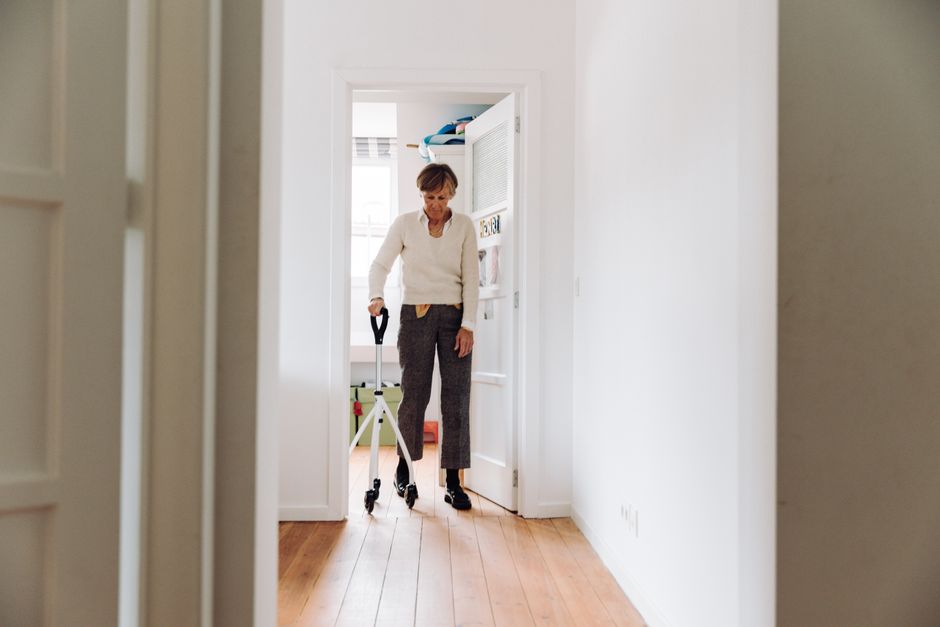
Falls are a common safety concern in assisted living, but many can be prevented by addressing hazards, health changes, and daily routines. Effective fall prevention combines a safer living space with appropriate footwear, medication review, mobility support, and quick attention to dizziness or weakness.
Why do falls happen in assisted living?
Falls rarely have one single cause. A person may be more likely to fall because of reduced balance, muscle weakness, vision changes, low blood pressure, arthritis, or difficulty judging steps and distances. The risk can increase further when several factors occur at the same time.
Common contributors include:
- Loose rugs, clutter, or electrical cords
- Poor lighting, especially at night
- Wet bathroom floors or icy outdoor surfaces
- Shoes that do not fit securely
- Getting up quickly after sitting or lying down
- Reaching for items from a chair or bed
- Walking without a prescribed cane, walker, or other support
- Side effects from medicines that cause drowsiness or dizziness
A fall can also happen during an ordinary activity, such as turning to sit down, walking to the bathroom, or stepping over a doorway threshold. Prevention should focus on these routine moments rather than only on major hazards.
How can an assisted living room be made safer?
The safest room is arranged so frequently used items are easy to reach and walking paths remain clear. Furniture should support normal movement rather than create narrow passages or sharp turns.
Practical changes include:
- Keep the route between the bed, bathroom, and main seating area free of furniture and clutter.
- Place lamps or night-lights where they can be reached without crossing a dark room.
- Keep glasses, a telephone, water, and needed personal items within easy reach.
- Secure or remove throw rugs that can slide or curl at the edges.
- Keep cords along walls and out of walking paths.
- Avoid step stools and unstable chairs for reaching high shelves.
- Make sure bed and chair heights allow the resident to sit down and stand up without excessive effort.
- Mark changes in floor level clearly if they cannot be removed.
A room should be checked at different times of day. A space that seems safe in daylight may have shadows or poor visibility after sunset.
What bathroom changes reduce fall risk?
Bathrooms deserve special attention because water, smooth surfaces, and transfers can make movement more difficult. A resident should not have to depend on a towel rack, sink, or rolling object for support.
Helpful safety features may include:
- Grab bars that are securely installed near the toilet and bathing area
- A stable shower seat when standing for long periods is difficult
- A handheld showerhead that reduces twisting and reaching
- Non-slip flooring or properly secured bath surfaces
- Adequate lighting near the bathroom entrance and inside the room
- Toilet seating at a height that makes standing easier
- A clear path from the bed to the bathroom
A bath mat should lie flat and have a backing designed to reduce sliding. A loose towel on the floor is not a substitute for a secure non-slip surface.
What should residents know about walking aids and footwear?
Canes and walkers can reduce fall risk when they are correctly selected and used. They can also become hazards if they are the wrong height, damaged, or left in a position that causes someone to reach or twist.
Mobility aids should be checked for:
- Worn or uneven rubber tips
- Loose screws or handles
- Brakes that do not hold properly
- A height that causes excessive bending or shoulder lifting
- Placement that requires leaning too far to grab the device
Footwear should fit securely and remain on the foot during normal walking. Shoes with low, stable heels and non-slip soles are generally safer than loose slippers, socks alone, or shoes with worn tread. Footwear should also be checked after swelling changes, since a shoe that once fit comfortably may become tight or unstable.
How do medications affect fall risk?
Some medicines can increase the likelihood of falling by causing sleepiness, blurred vision, confusion, or a drop in blood pressure. This may include certain sleep medicines, sedatives, medications for anxiety, some pain medicines, and drugs used to lower blood pressure. The risk can be higher when several medicines have similar effects.
Residents should not stop or change prescribed medicine without medical guidance. However, a new fall, unusual sleepiness, repeated dizziness, or difficulty staying alert should prompt a medication review by the appropriate healthcare professional. Over-the-counter products and supplements should be included in that review.
Standing up slowly can help reduce dizziness. A resident can first sit at the edge of the bed, move the feet, and pause before standing. If lightheadedness continues, sitting or lying down promptly is safer than trying to walk through it.
How can staff and family support safer mobility?
Support should encourage independence without creating pressure to move too quickly. Rushing a resident to the bathroom, discouraging use of a mobility aid, or assuming that familiar tasks are always safe can increase risk.
Helpful support includes:
- Asking whether pain, weakness, dizziness, or vision changes have recently appeared
- Allowing enough time for transfers and walking
- Keeping needed items in their usual locations
- Reminding residents to use prescribed assistance devices
- Reporting near-falls, not only injuries
- Observing whether a resident is holding furniture or walls while walking
- Reviewing whether nighttime bathroom trips are becoming more frequent
A near-fall can provide valuable warning. Repeated stumbling, new hesitation, or a change in walking pattern may signal an illness, medication effect, dehydration, or a decline in strength or balance.
What seasonal hazards matter in Northumberland, PA?
Seasonal conditions can affect fall risk both indoors and outdoors. In Northumberland, winter snow, ice, slush, and wet entryways can create hazards near doors and walkways. Meltwater tracked inside can make smooth floors slippery even after outdoor surfaces appear clear.
During colder months:
- Use well-lit, cleared walking routes.
- Allow extra time rather than rushing across icy areas.
- Remove wet footwear near entrances without leaving puddles.
- Keep needed supplies within easy indoor reach when outdoor conditions are poor.
- Use handrails on steps and avoid carrying items that block visibility.
During warmer weather, rain, humidity, and wet pavement can also affect traction. Outdoor walks should take place on maintained, well-lit paths, with attention to uneven pavement, curbs, and changes in elevation.
What should happen after a fall?
A person who has fallen should not be hurried back to standing. First check for severe pain, bleeding, possible head injury, loss of consciousness, unusual confusion, or inability to move normally. Emergency medical assistance may be needed for these symptoms, especially after a head impact or when a hip, back, neck, or leg injury is possible.
Even when no obvious injury is present, the fall should be reported and documented. Delayed pain, swelling, weakness, or confusion can develop later. The circumstances should be reviewed: where the fall occurred, what the person was doing, whether footwear or lighting played a role, and whether dizziness or a medication change was involved.
Fall prevention is an ongoing process. Rooms, routines, mobility needs, and health conditions can change over time, so safety plans should be revisited whenever a fall, near-fall, new symptom, or change in walking ability occurs.
