
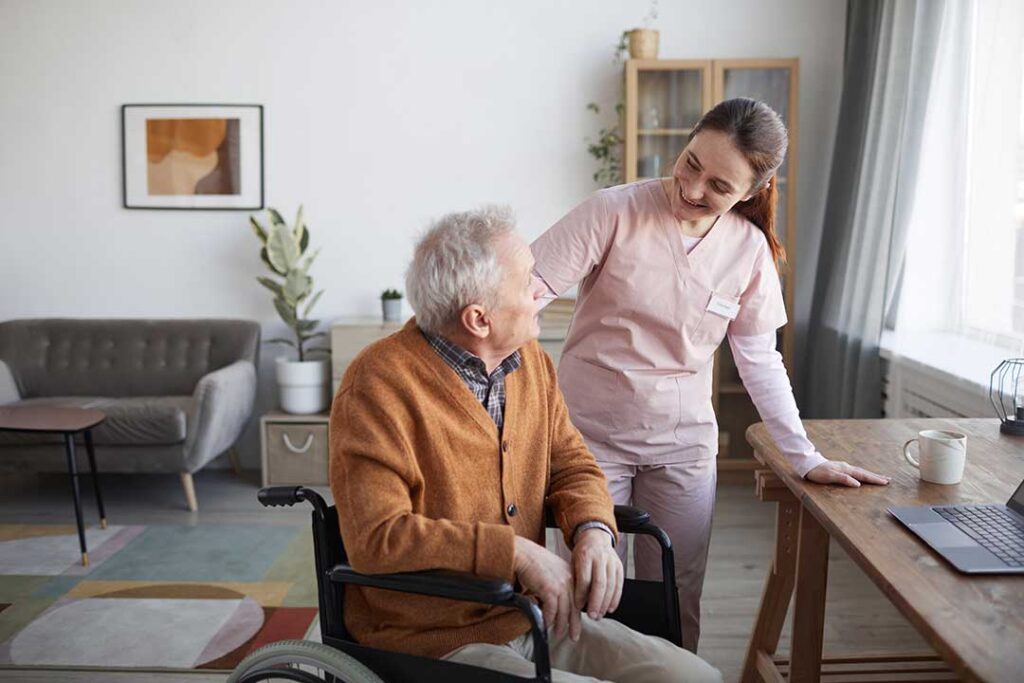
Residents in assisted living often ask whether therapies such as music, massage, meditation, gentle movement, or aromatherapy can be part of daily care. These approaches may support comfort, mood, mobility, sleep, and social connection, but they should complement—not replace—medical treatment.
What are integrative therapies?
Integrative therapies combine conventional health care with carefully selected complementary practices. The goal is to address more than a diagnosis by considering physical comfort, emotional well-being, cognitive needs, personal preferences, culture, and social connection.
In an assisted living setting, integrative care may include:
- Guided breathing, meditation, or relaxation exercises
- Music, art, or reminiscence activities
- Gentle stretching, chair yoga, tai chi, or balance exercises
- Therapeutic massage when appropriate
- Pet-assisted or animal-assisted activities
- Gardening, sensory activities, or time outdoors
- Acupuncture or other practitioner-led services
- Dietary or herbal products, when reviewed for safety
The term “integrative” matters. It means an approach is used alongside regular medical care. Using an unproven therapy instead of prescribed treatment is generally considered an alternative approach, which may create health risks. The National Center for Complementary and Integrative Health advises older adults to discuss complementary practices with their health care providers and to avoid delaying needed medical care. ([nccih.nih.gov](https://www.nccih.nih.gov/health/are-you-considering-a-complementary-health-approach?utm_source=openai))
Which therapies are commonly suitable for older adults?
The safest choice depends on a resident’s health conditions, mobility, medications, hearing or vision, and ability to understand instructions. A therapy that is comfortable for one person may be unsuitable for another.
Music and creative activities
Music can support relaxation, expression, and social interaction. Familiar songs may also encourage conversation and reminiscence, particularly for residents living with memory loss. Art, crafts, poetry, and storytelling can provide meaningful activity without requiring advanced physical ability.
These activities are not a cure for dementia or depression. Their value often comes from helping residents communicate, participate, and experience enjoyment in the present moment.
Gentle movement
Chair exercises, stretching, tai chi, and modified yoga may help residents maintain flexibility, body awareness, and confidence with movement. They can also offer a structured way to reduce sedentary time.
Movement sessions should account for fall risk, joint limitations, osteoporosis, dizziness, pain, and cardiac or respiratory conditions. Exercises should never require a resident to push through sharp pain, unusual shortness of breath, or lightheadedness. NCCIH notes that practices involving movement can be beneficial for some older adults but may require modification and still carry a risk of injury. ([nccih.nih.gov](https://www.nccih.nih.gov/health/providers/digest/psychological-and-physical-practices-for-older-adults?utm_source=openai))
Relaxation and mindfulness
Slow breathing, guided imagery, progressive muscle relaxation, and quiet meditation may help some residents manage stress, restlessness, or difficulty settling at night. Sessions are often most useful when short, predictable, and adapted for people who have trouble hearing, concentrating, or sitting still.
Mindfulness should not be presented as a demand to “think positively.” A resident may participate by listening to calming music, noticing the breath, or spending a few quiet minutes in a peaceful space.
Massage and comfort-focused touch
Gentle massage may help with relaxation, muscle tension, or a sense of comfort. However, it may not be appropriate over wounds, infected areas, fragile skin, recent surgical sites, blood clots, or certain painful conditions.
Consent should be clear, ongoing, and specific. A resident should be able to decline, stop, or change the activity at any time. Comfort-focused touch also requires attention to privacy, professional boundaries, skin condition, and cultural preferences.
Are herbal products and supplements safe in assisted living?
“Natural” does not automatically mean safe. Herbal products and dietary supplements can cause side effects, vary in quality, and interact with prescription or over-the-counter medications. Some may affect blood pressure, blood sugar, bleeding risk, sedation, or the action of other medicines. ([nccih.nih.gov](https://www.nccih.nih.gov/health/are-you-considering-a-complementary-health-approach?utm_source=openai))
This issue is especially relevant in assisted living because many residents take multiple medications. A supplement should not be added to a resident’s routine simply because it is sold without a prescription or recommended by a friend or online source.
Before any supplement is used, the resident or family should make sure that the prescribing clinician, pharmacist, and assisted living staff know about it. The product name, ingredients, dose, and reason for use should be documented according to the residence’s medication procedures.
How should a therapy be evaluated for safety?
A practical review should ask five questions:
1. What is the intended benefit?
The goal should be specific, such as supporting relaxation, participation, comfort, or gentle mobility.
2. What risks apply to this resident?
Consider falls, skin fragility, memory loss, swallowing problems, allergies, implanted devices, pain, and medication effects.
3. Who is leading the activity?
Staff and outside practitioners should have training appropriate to the therapy and the resident population. A therapy should not be performed by someone whose qualifications are unclear.

4. How will consent be handled?
Residents with decision-making capacity should choose whether to participate. If a representative helps with decisions, the resident’s preferences and reactions still matter.
5. What will be documented?
Notes may include participation, tolerance, unusual symptoms, reported benefits, and whether changes are needed.
In Pennsylvania, assisted living residences and personal care homes operate under state licensing requirements that address resident health, medical care, staff training, personal care, and safety. Facilities may differ in the activities and supplemental services they can provide, so residents and families should review the residence’s policies before assuming a particular therapy is available. ([pa.gov](https://www.pa.gov/agencies/dhs/resources/licensing/pch-alr-licensing/pch-alr-compliance-guides?utm_source=openai))
What should residents ask before participating?
Residents in Northumberland, PA and their families may find it useful to ask:
- Is this activity optional?
- What is the purpose of the therapy?
- Who leads or supervises it?
- How are fall risks and medical conditions considered?
- Can the activity be done while seated or in a private room?
- What happens if the resident becomes uncomfortable?
- Are there added charges?
- How are allergies, skin concerns, or medication interactions reviewed?
- Will the activity be included in the resident’s care plan?
- How is success or discomfort recorded?
These questions are particularly useful during seasonal changes. Cold weather can reduce outdoor activity, while heat, humidity, or poor air quality may affect residents with breathing or cardiovascular concerns. Indoor alternatives, such as music, hand exercises, guided relaxation, and supervised walking, can help maintain routines when outdoor conditions are unfavorable.
What are common misconceptions?
Integrative therapies are sometimes misunderstood in three ways.
First, they are not automatically safe because they are gentle or traditional. Every activity still needs to fit the resident’s condition.
Second, they are not substitutes for diagnosis or treatment. New pain, confusion, weakness, falls, breathing problems, or changes in appetite should be medically evaluated rather than treated only with relaxation, massage, or supplements.
Third, effectiveness does not have to mean curing a disease. A realistic benefit may be improved comfort, greater participation, less distress during personal care, or a stronger sense of connection with others.
The most appropriate approach is individualized, voluntary, and coordinated with the resident’s regular health care. In an assisted living community, integrative therapies are most helpful when they respect personal choice, use reasonable safety precautions, and support the care already in place.
